
How Paving Services Support Long-Term Surface Performance
Well-designed paved surfaces play a critical role in how properties function, look, and hold up over time. Whether the surface supports daily vehicle traffic, pedestrian use, or commercial operations, longevity depends on more than appearance alone. Materials, preparation, installation methods, and ongoing care all influence how well a paved area performs year after year. When these elements are addressed strategically, surfaces are better equipped to withstand environmental stress, repeated use, and seasonal changes.
Professional paving services focus on performance from the ground up. Instead of viewing paving as a one-time improvement, experienced contractors approach each project as a system designed for durability. From soil evaluation to drainage planning and finishing techniques, every phase contributes to surface stability and lifespan. Understanding how these processes work together helps property owners make informed decisions that protect their investment and reduce long-term maintenance demands.
Preparing the Surface Foundation Thoroughly
A strong surface begins below grade. One of the most important contributions of professional paving services is proper site preparation, which directly impacts how a paved surface performs over time. This phase includes evaluating soil conditions, removing unstable materials, and establishing a compacted base capable of supporting anticipated loads. Skipping or rushing these steps often leads to premature cracking, settling, or uneven areas.
Soil composition varies significantly by location, and not all soils provide the same level of support. Clay-heavy soils, for example, expand and contract with moisture changes, while sandy soils may shift under weight. Addressing these variables during preparation allows contractors to select appropriate base materials and compaction methods. This tailored approach helps prevent movement beneath the surface that can compromise structural integrity.
Grading is another key component of foundation preparation. Proper grading ensures water moves away from the paved area rather than pooling beneath it. When water infiltrates the base layer, it weakens support and accelerates deterioration. By investing time in foundational preparation, paving services help create a stable platform that supports consistent performance across seasons.
Selecting Materials That Match Usage Demands
Material selection plays a significant role in how long a paved surface lasts and how well it performs under daily use. Different applications require different solutions, and professional paving services assess traffic levels, load requirements, and environmental exposure before recommending materials. This ensures the finished surface aligns with functional needs rather than relying on a one-size-fits-all approach.
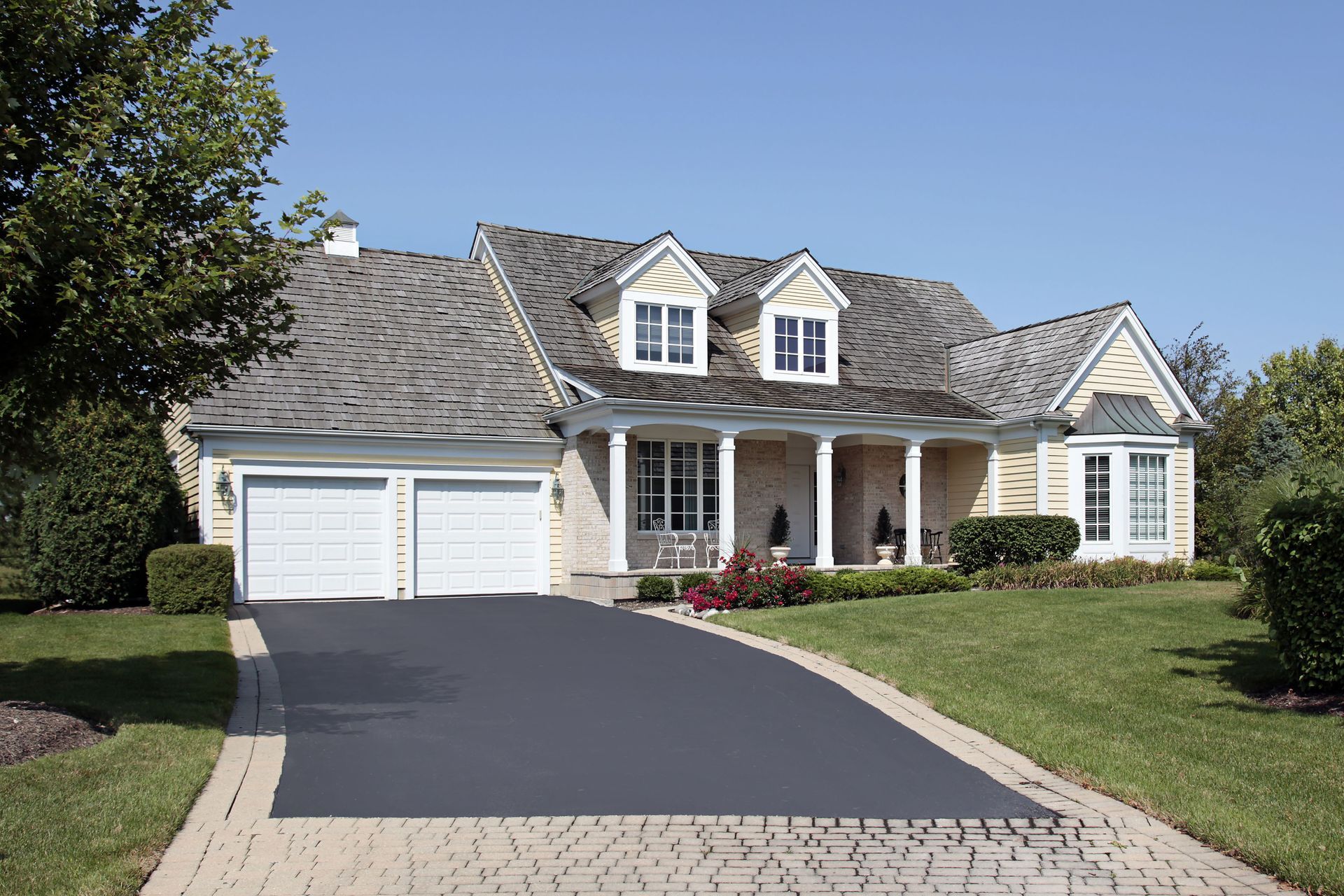
Asphalt is commonly chosen for driveways, parking areas, and roadways because of its flexibility and ability to absorb stress. According to The Spruce, an asphalt driveway typically lasts up to 20 years, making it a practical option when installed and maintained correctly. Concrete, on the other hand, may be better suited for areas requiring rigid support or decorative finishes. Understanding these distinctions helps property owners choose surfaces that balance performance and longevity.
Thickness also matters. A surface designed for light residential use will differ from one intended for commercial traffic. Adjusting material depth and composition helps prevent premature wear, cracking, or rutting. Through informed material selection, paving services tailor solutions that meet both immediate needs and long-term expectations.
Applying Installation Techniques That Enhance Durability
Installation quality often determines whether a paved surface reaches its expected lifespan. Professional paving services rely on proven techniques to ensure materials are placed, compacted, and finished correctly. Each step, from temperature control during asphalt application to timing of compaction, influences surface strength and resistance to damage.
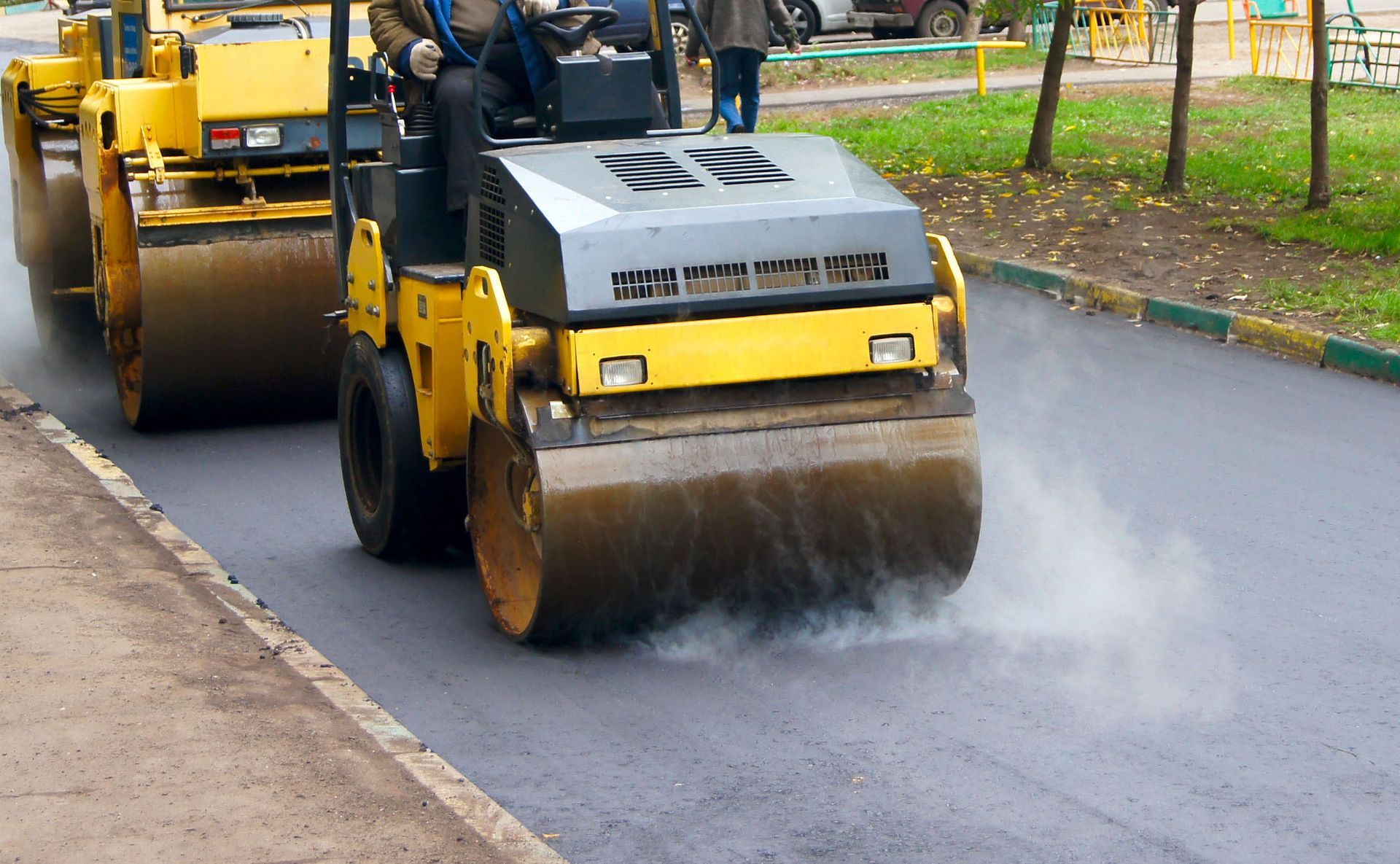
For asphalt installations, maintaining proper temperature during placement allows the material to bind effectively. If the mix cools too quickly, compaction becomes less effective, leading to weak spots. Experienced crews coordinate equipment and timing to achieve uniform density across the surface. This consistency helps distribute weight evenly and reduces the likelihood of early failures.
Edge support is another critical aspect of installation. Unsupported edges are more prone to cracking and breakdown, especially in high-traffic areas. By reinforcing edges and transitions, paving services help surfaces retain their shape and stability. These details may not be immediately visible, but they significantly affect long-term performance.
Managing Drainage to Reduce Structural Stress
Water is one of the most common contributors to pavement deterioration. Effective drainage management is therefore a core focus of paving services. Without proper drainage, water can infiltrate the surface and base layers, leading to erosion, freeze-thaw damage, and accelerated wear.
Surface slope and runoff pathways are designed to move water away efficiently. This includes directing water toward appropriate drainage systems rather than allowing it to collect in low spots. Even minor pooling can weaken materials over time, especially in regions with frequent temperature fluctuations.
Subsurface drainage solutions may also be incorporated when necessary. These systems help manage groundwater and prevent saturation beneath the pavement. By addressing both surface and subsurface water movement, paving services reduce structural stress and extend the usable life of paved areas.
Supporting Longevity Through Preventive Maintenance
Long-term performance does not end once installation is complete. Preventive maintenance plays a vital role in preserving surface condition, and professional paving services often provide guidance or support for ongoing care. Regular inspections help identify early signs of wear, such as small cracks or surface oxidation, before they develop into larger issues.
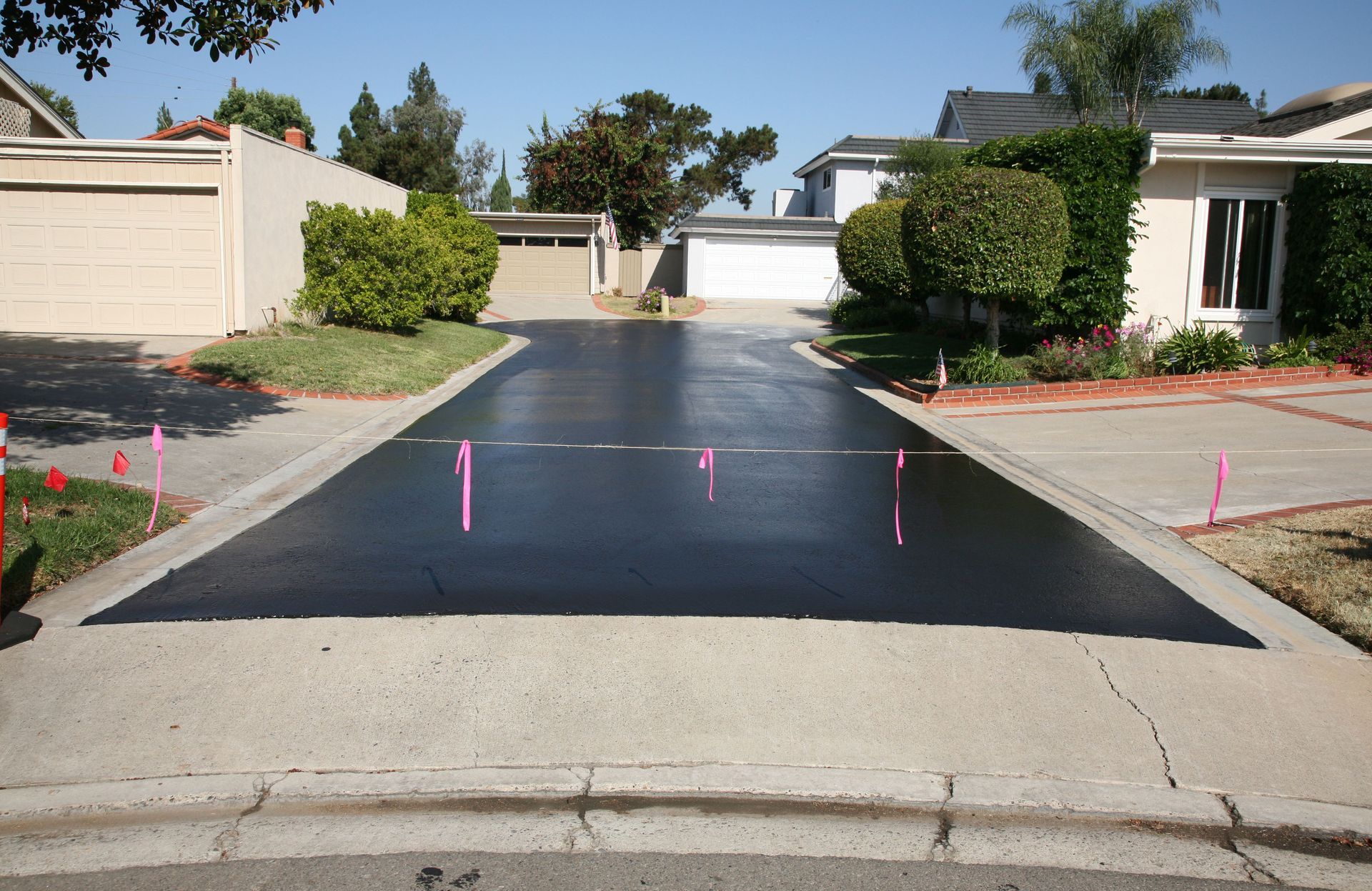
Sealcoating is a common maintenance practice for asphalt surfaces. Applying a protective seal helps shield the pavement from UV exposure, moisture penetration, and chemical spills. When performed at appropriate intervals, sealcoating can slow aging and maintain surface flexibility. This proactive approach reduces the frequency and cost of major repairs.
Crack filling and patching are also important maintenance tasks. Addressing minor damage promptly prevents water infiltration and limits expansion. By incorporating maintenance planning into the overall approach, paving services help property owners maximize surface performance over time.
Adapting Surfaces to Environmental Conditions
Environmental factors such as temperature swings, precipitation, and prolonged sunlight exposure all influence pavement behavior over time. Professional paving services account for these conditions during planning and installation to improve long-term outcomes and reduce avoidable deterioration. Materials and techniques are selected with local climate patterns in mind, ensuring surfaces can adapt to seasonal changes without compromising structural integrity.
In colder regions, freeze-thaw cycles pose a significant challenge for paved surfaces. Water that enters small cracks can freeze and expand, causing further damage and accelerating surface breakdown. Flexible materials and proper compaction help mitigate these effects by allowing the pavement to absorb movement without cracking extensively. In warmer climates, heat resistance and UV protection become more important to prevent softening, oxidation, or surface breakdown caused by prolonged sun exposure.
By adapting designs to environmental realities, paving services reduce stress on materials and improve overall resilience across changing conditions. This thoughtful alignment between surface design, material selection, and surrounding environmental factors contributes to consistent performance throughout the year, even under fluctuating weather patterns.
Enhancing Property Value Through Reliable Performance
Beyond functional benefits, durable paved surfaces contribute to overall property value. Well-maintained driveways, walkways, and parking areas create a positive first impression and support safe, efficient use. Professional paving services help ensure these surfaces remain reliable assets rather than recurring liabilities.
A surface that performs well over time reduces repair disruptions and associated costs. Property owners benefit from predictable maintenance schedules and fewer emergency repairs. This reliability is especially important for commercial properties, where surface failures can impact operations and safety.
By prioritizing performance at every stage, paving services deliver results that extend beyond appearance. Thoughtful planning, quality materials, skilled installation, and ongoing care work together to support long-term surface performance and protect property investments. Call Sink's Paving Co today to schedule your paving service.
Share On: